Lesson 6 of 10
Liquidity Concepts: Buy-Side, Sell-Side and Stop Hunts
Buy-side vs sell-side liquidity, equal highs/lows, and the anatomy of a stop hunt.
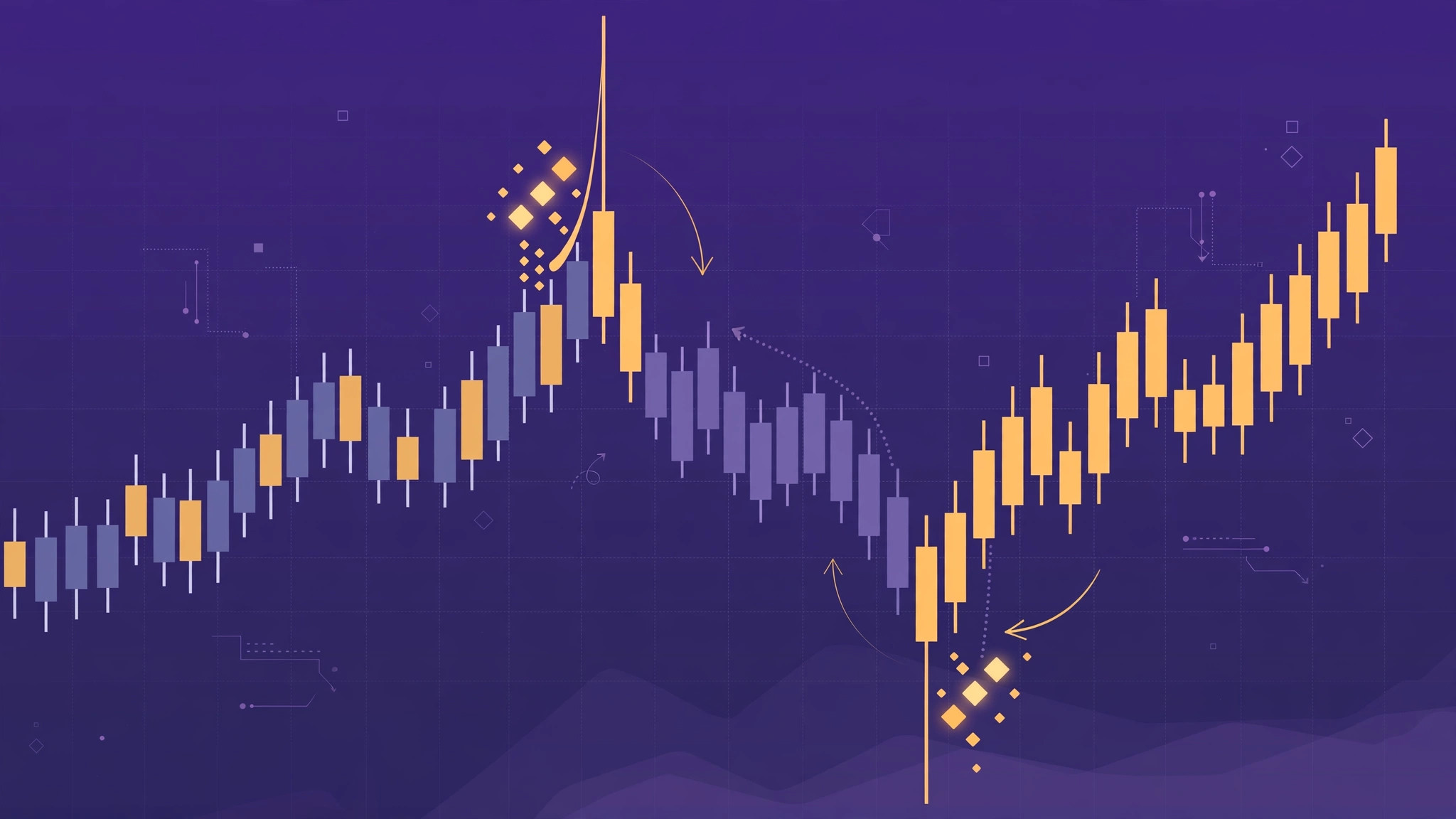
Liquidity means resting orders — mostly stop losses and breakout entries — sitting at obvious price levels. Big players need huge liquidity to fill large orders without moving price against themselves, so price is magnetically drawn to where the stops are. Understanding this explains why your stop loss gets hit right before price reverses in your original direction.
(Roman Urdu: Jahan sab ke stop loss lage hote hain, price aksar wahan ja kar unhe "khaati" hai — isay stop hunt kehte hain.)
Buy-side vs sell-side liquidity
- Buy-side liquidity sits above the market: above old highs, above equal highs, above session highs. It is mostly sell stops (from trapped shorts) and buy-stop breakout entries.
- Sell-side liquidity sits below the market: below old lows, equal lows, session lows — mostly buy stops from trapped longs.
Equal highs and equal lows: liquidity magnets
When price makes two or more highs at nearly the same level (equal highs), every breakout trader puts a buy stop just above them and every short puts a stop loss there. That cluster is a magnet. The same applies to equal lows below. Sweeps of these levels are among the most reliable reversal triggers.
The anatomy of a stop hunt (liquidity sweep)
- 1. Price approaches an obvious level (previous high, equal highs).
- 2. It spikes through, triggering the resting stops — you see a long wick.
- 3. With liquidity collected, price reverses sharply back inside the range.
The wick that takes the high but closes back below it is the classic sweep signature. A close above the level, by contrast, suggests a genuine break.
How to use liquidity in your trading
- Don't place stops at obvious levels — give them buffer, or place them beyond the sweep zone.
- Trade the sweep: after equal highs are raided and price closes back below, look for short entries targeting sell-side liquidity below.
- Map the draw: before entering, ask "where is price likely heading?" — usually toward the nearest untapped liquidity pool.
Mapping a session: liquidity in action
Here is how a typical London session plays out through a liquidity lens:
- 1. Asian range forms overnight with a clear high and low (05:00–12:00 PKT).
- 2. London open spikes above the Asian high — breakout traders buy, shorts' stops trigger. This is the sweep.
- 3. Price fails to hold above, closes back inside the range — the trap is set.
- 4. The real move begins in the opposite direction, targeting sell-side liquidity at the Asian low and below.
Once you have seen this "sweep and reverse" ten times on historical charts, you will stop buying London breakouts blindly. (Roman Urdu: London open par aksar pehle ek taraf sweep hota hai, phir asal move doosri taraf — is pattern ko charts par khud dekho.) Mark Asian highs/lows every morning; they are the day's most important liquidity lines.
Key takeaway: the market moves from liquidity to liquidity. Learn to see the pools, and stop placing your stops where everyone else places theirs.
Risk warning: sweep patterns fail during strong trends and news. A sweep against a roaring trend is a dangerous counter-trend trade — size it small or skip it.
Frequently asked questions
Frequently Asked Questions
Why does price always hit my stop loss then reverse?
Because retail traders cluster stops at the same obvious levels. Your stop was part of the liquidity pool the market needed. Use buffer zones and less obvious invalidation points.
How do I tell a sweep from a real breakout?
Watch the close: a sweep wicks through and closes back inside; a real break closes beyond the level and often retests it as new support/resistance.
Which sessions have the most stop hunts?
London open and New York open are famous for sweeping the Asian session high/low before the real move begins.